
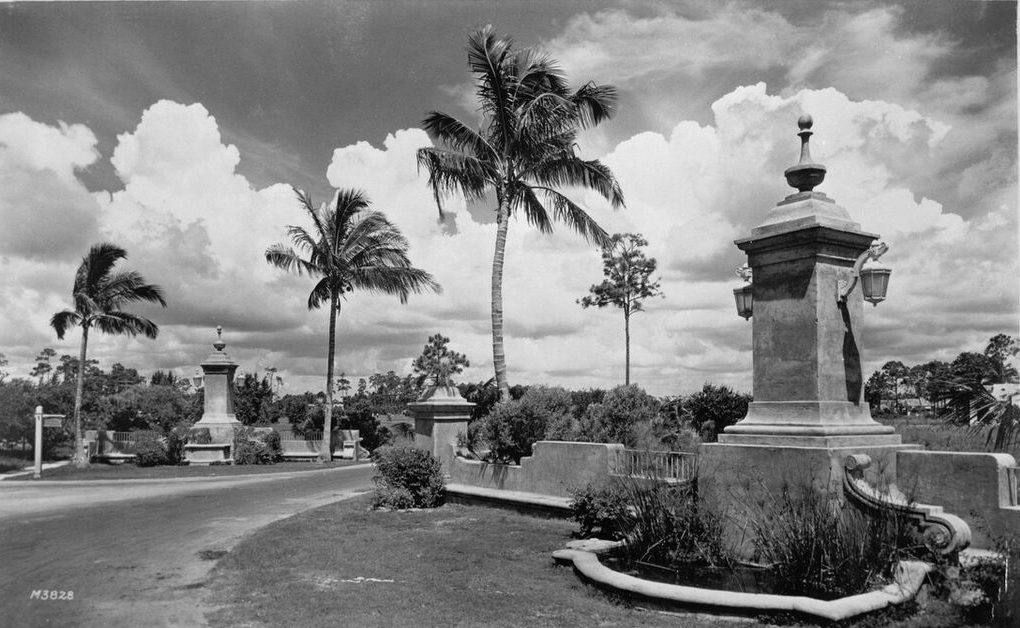
A story that began in 1927
How a reading room in George Merrick’s “City Beautiful” grew into one of South Florida’s most beloved neighborhood libraries.
A library in the plan from the very beginning
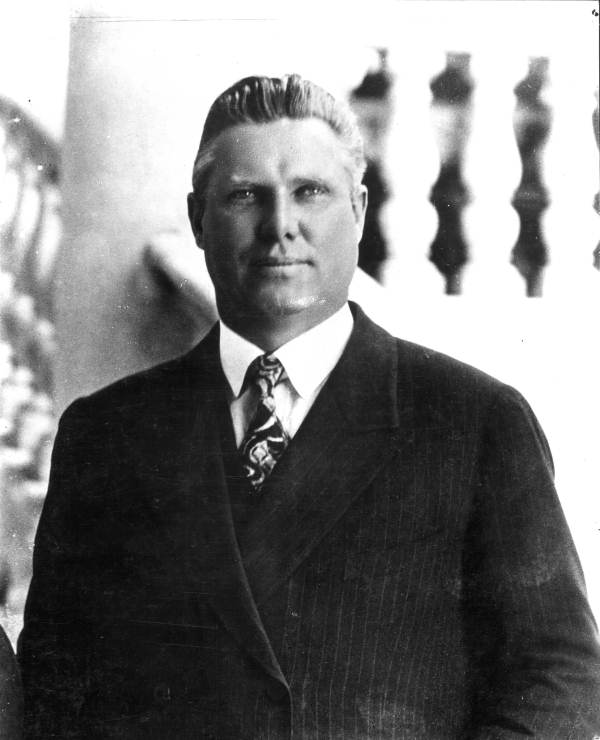
George Merrick, the visionary behind Coral Gables, “The City Beautiful” and one of America’s first planned communities, included a library in his conceptual plans for the city.
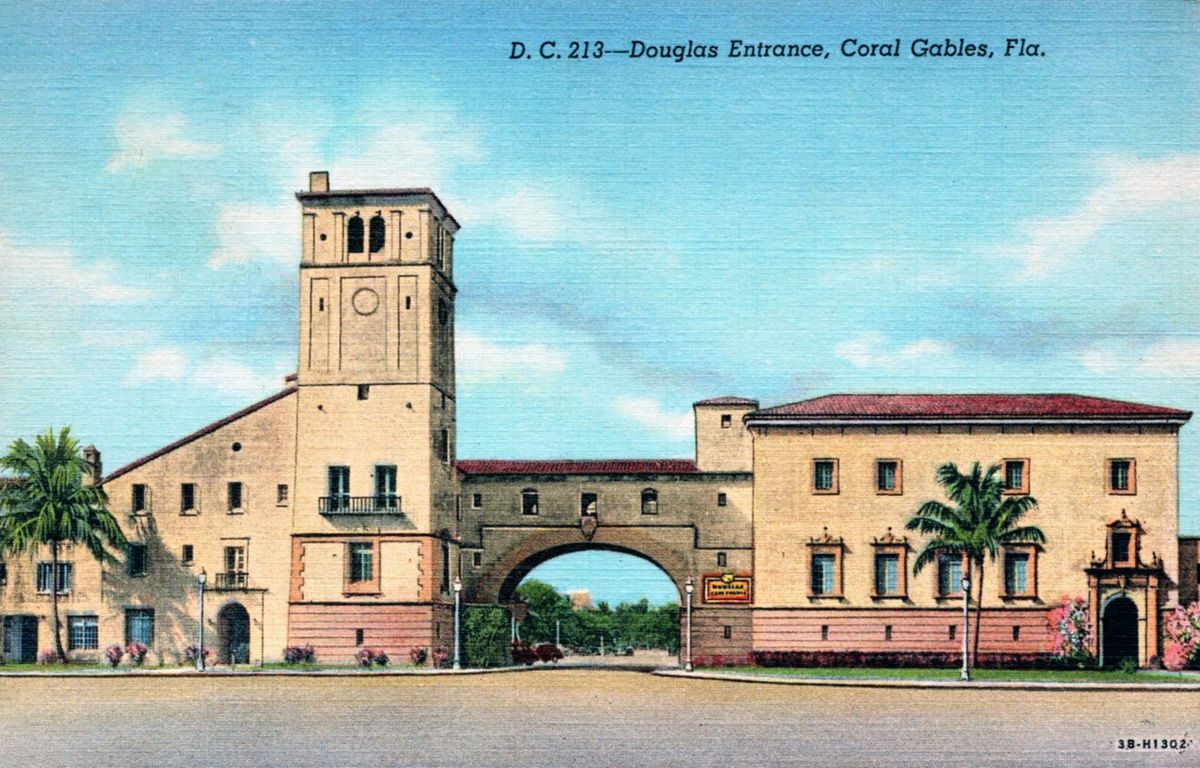
The Woman’s Club used the Cathedral Room of La Puerta del Sol — today’s Douglas Entrance — for the city’s first lending library, with furniture, fine art and tapestries from Merrick himself.
Nearly a century of milestones
The City Beautiful takes shape
Merrick’s planned community rises among palms and pine land, with grand entrances, plazas and Mediterranean-style buildings. A library is part of the plan from the start.
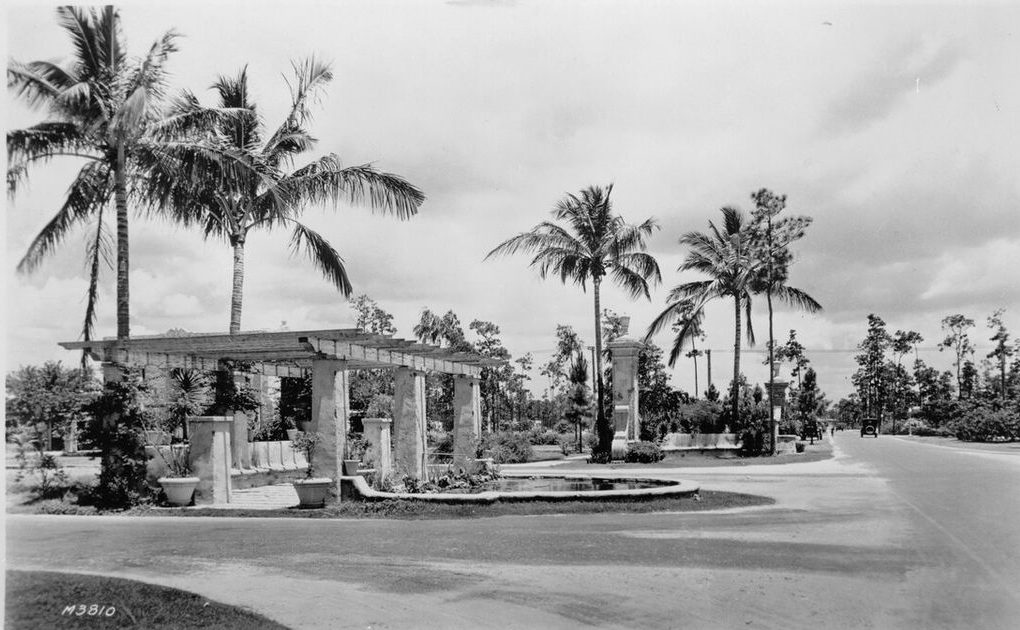
A lending library at La Puerta del Sol
The Woman’s Club of Coral Gables opens a lending library and reading room in the Cathedral Room of La Puerta del Sol, today’s Douglas Entrance. Members collect the first 300 books by writing to authors and asking for copies. Another 100 books come from the private library of William Jennings Bryan.
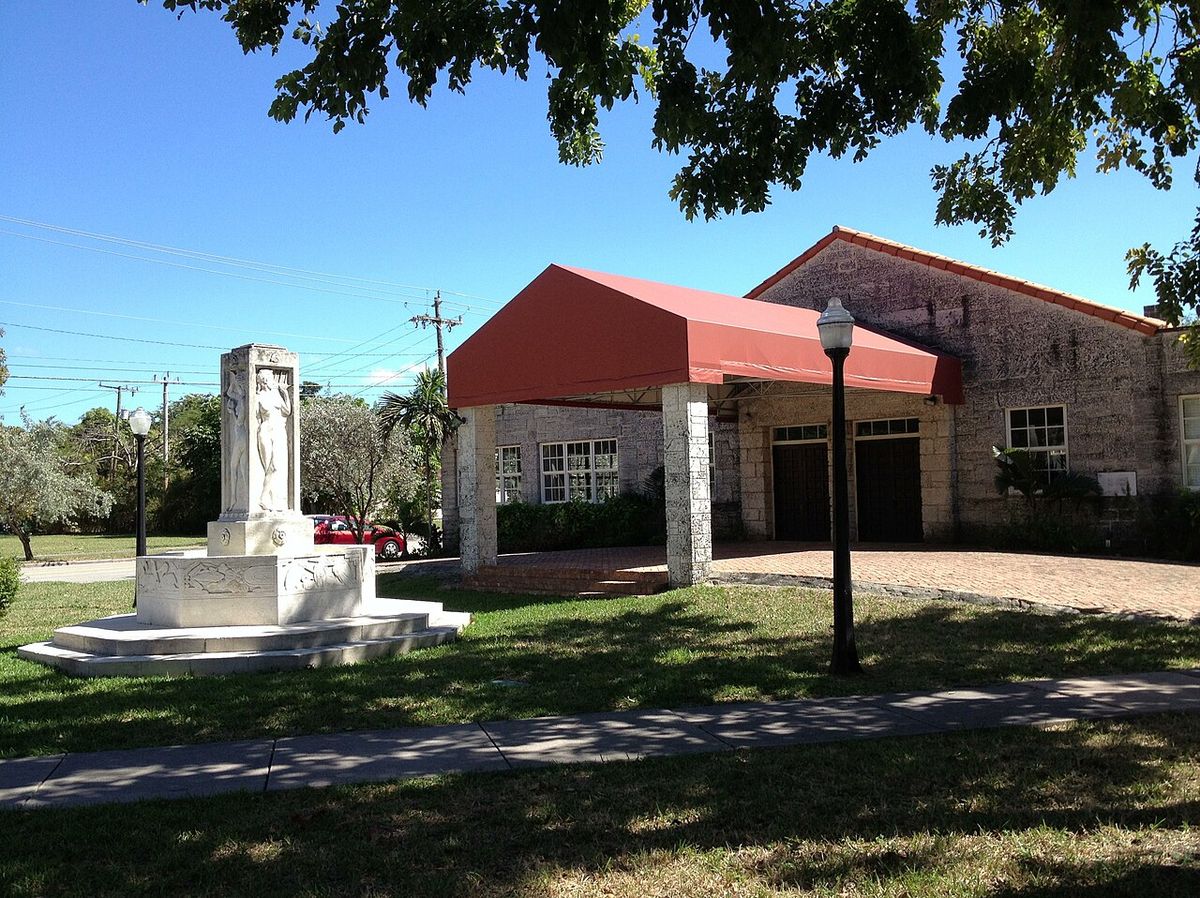
A coral rock home, built by the WPA
During the Great Depression, the Works Progress Administration approved 17 projects for Coral Gables. One of them was a library and community building on city-donated land at 1001 East Ponce de Leon Boulevard. The coral rock building housed the library for more than 30 years, along with the Woman’s Club, which ran the library.
The city takes the reins
In 1950 the city deeds the building to the Woman’s Club, which still uses it today. In 1953 the City of Coral Gables takes over management of the library.
Joining the county system
With the collection grown to 51,000 books, the library needs more space. The city buys land at University Drive and Segovia Street from the University of Miami, and the City Commission votes to join the Dade County library system. The city keeps ownership of the land, the building and original collections, artwork and furniture, while the county provides staff, services and management.
Today’s library is dedicated
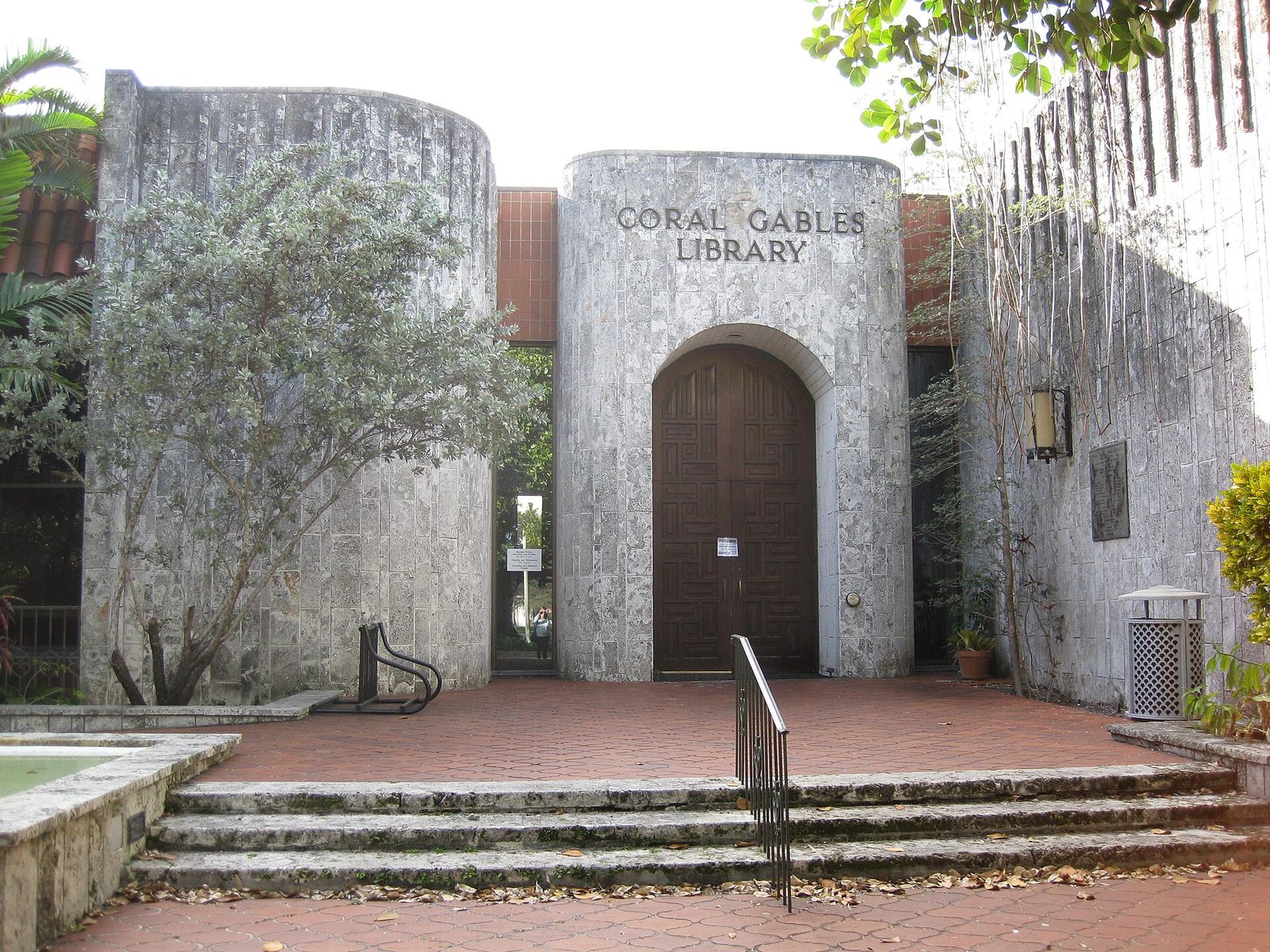
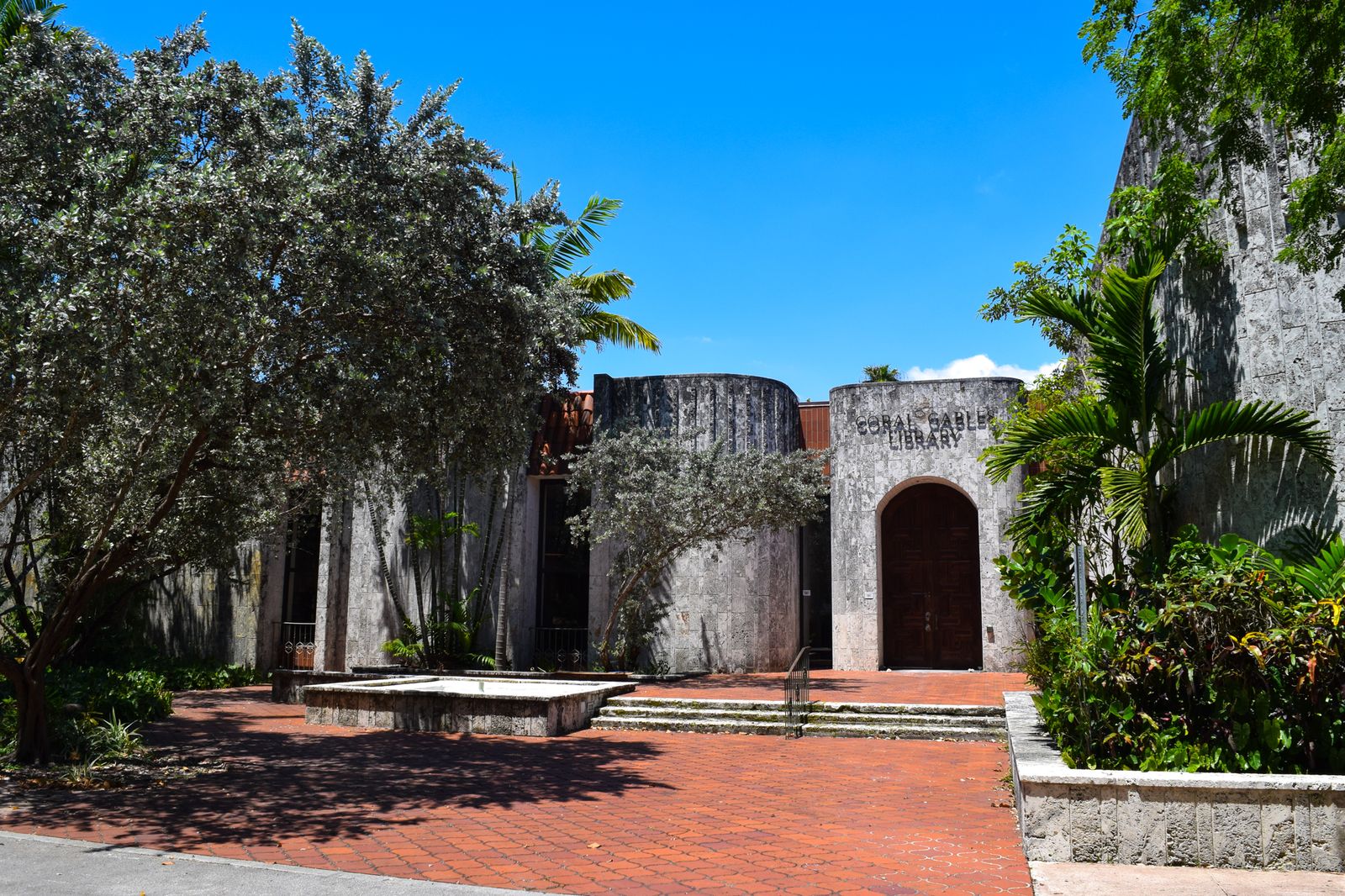
On March 23, 1969, the new library on Segovia Street opens, designed by architects Edward Rempe and Wray G. Succop. The contemporary building weaves in Mediterranean Revival features: quarried Florida Keys keystone, red clay roof tiles, Spanish clay floor tiles, wrought-iron light fixtures and Honduran mahogany doors.
The Pancoast mural
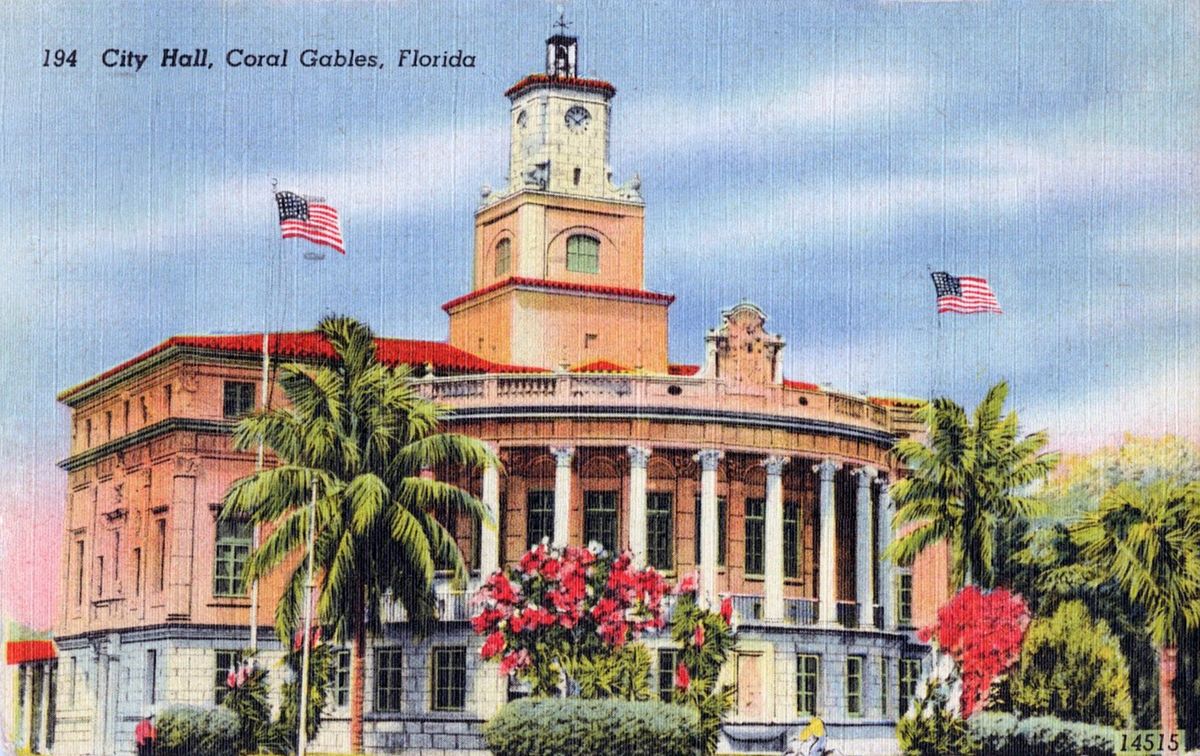
Artist Katherine French Pancoast creates a colorful 15 × 9-foot glazed ceramic tile mural for the Margaret M. Beaton Meeting Room. It shows local landmarks such as Coral Gables City Hall and the Biltmore Hotel, along with scenic spots and native flora and fauna.
The gardens bloom again
The City of Coral Gables renovates the original garden with generous financial and technical help from the Coral Gables Garden Club, which was instrumental in developing the tropical butterfly garden and still helps maintain it. A butterfly sculpture the Club donated stands in the library lobby.
Renewed for a new generation
A comprehensive renovation brings Wi-Fi 6, new computers and laptops, teen technology booths, new lighting, windows, roof and HVAC, and renovated restrooms. The original millwork, brass hardware, railings, interior stone and lobby tile are carefully preserved.
The women who built a library
The library exists because members of the Woman’s Club of Coral Gables decided their new city deserved one.
Charter members included Mrs. Solomon (Althea) Merrick, Mrs. George Merrick, Mrs. H. George Fink, Mrs. Fredrick Wardlaw and Mrs. Don Peabody, who is credited with leading the library effort. The Club ran the library until the City took over its management in 1953.
Merrick gave the Woman’s Club permission to use the Cathedral Room of the La Puerta del Sol … for the Library’s location. History of the Coral Gables Library, City of Coral Gables